American Poet.
Distinguished Professor
After Giotto
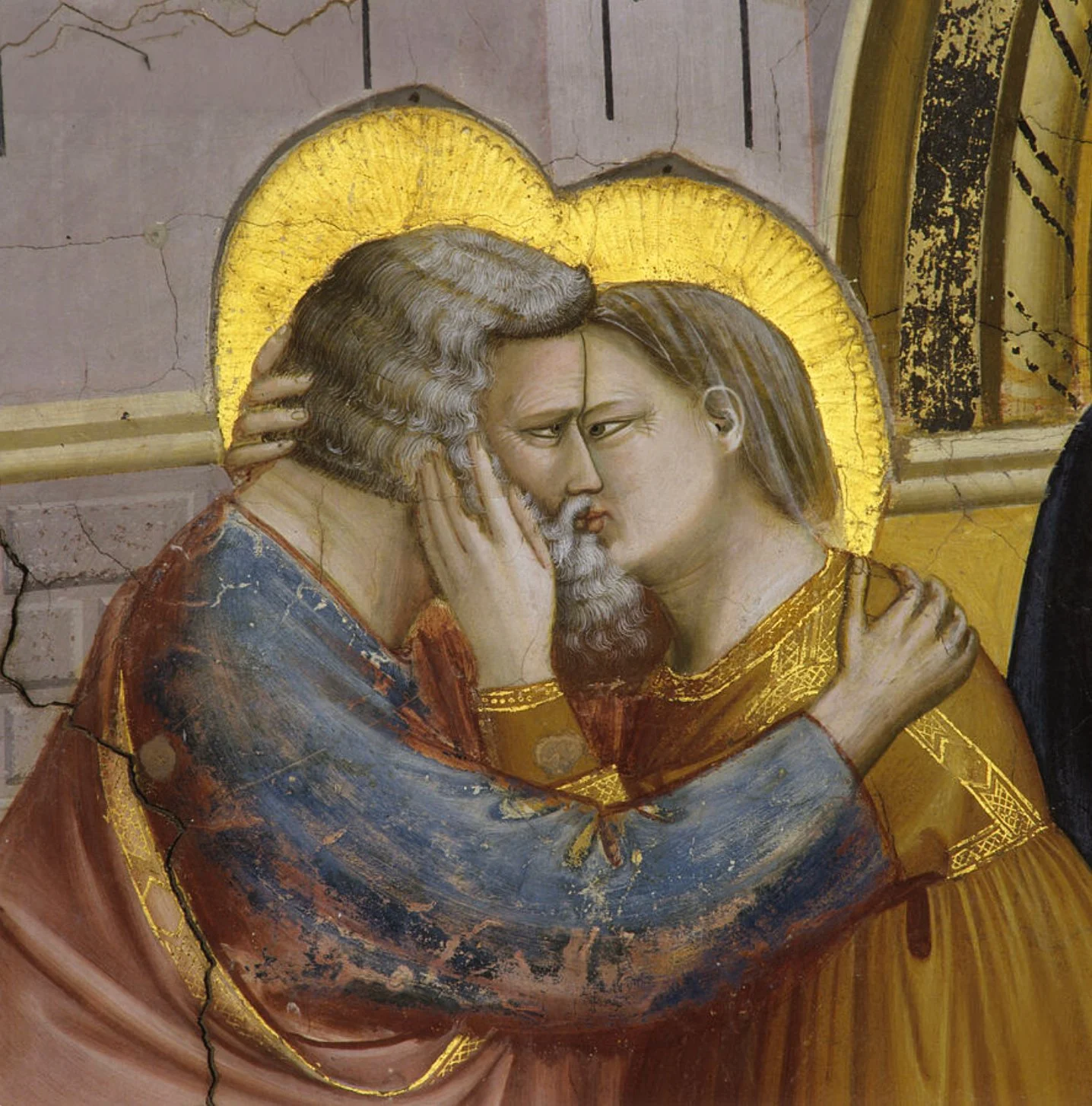
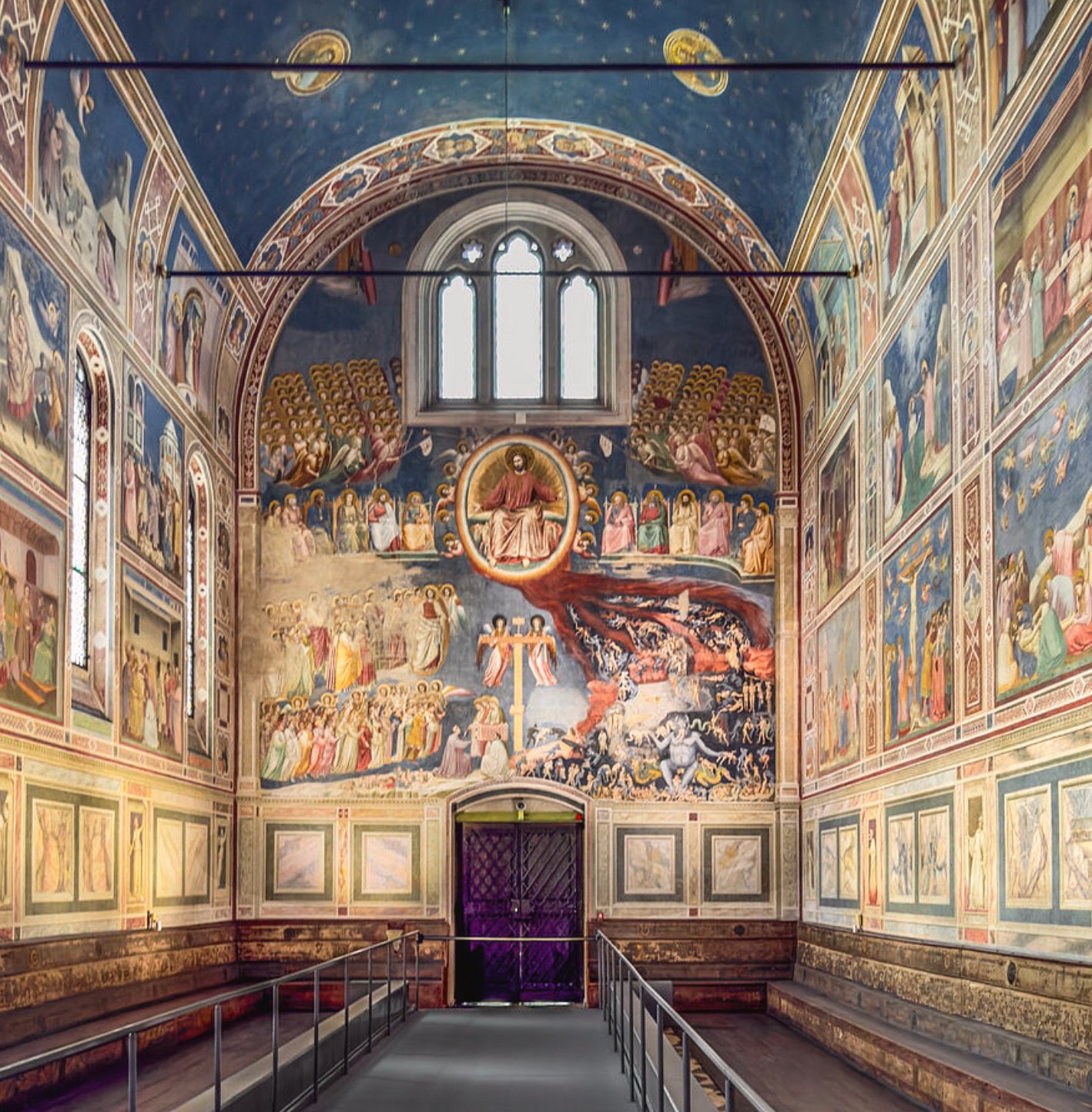
After Giotto, a book-length series of poems, was born of Osherow’s visit to Giotto’s Scrovegni Chapel nearly forty years after her first visit, which had been a momentous introduction to fresco, to Christian iconography and mythology and to proto-Renaissance Italian art. The book, which includes sonnets, villanelles, terza rima, couplets and free verse, engages all the preoccupations, passions and obsessions of Osherow’s writing life, from history, religion, ekphrasis and anti-Semitism to the ways both life and art beget art. The images which most moved her on her later visit were not the same ones that had most affected her the first time around. She came to see that she might produce a kind of autobiography out of the changes in her reactions to this great, great work of art over a lifetime. She then spent three weeks in Padova, visiting the Scrovegni Chapel three hours every evening and producing drafts all day, and then the following two and a half years to turning those early drafts into this book. She also visited three twentieth-century artists’ chapels: Matisse’s, Rothko’s and Nevelson’s. Long poems about them—partly in relation to the Giotto—punctuate this book.
“I can’t think of another book about art, certainly not another poetic work, that so thoroughly and rigorously looks at the forms of world-making (as the critics say these days) that art-beholding entails.”
—Wayne Koestenbaum
Select Poems
Annunciation with Clothesline
No dove, just bedclothes waving in the air
between Mary and her announcing angel.
(She now has a married woman’s hair,
Somebody Ought to Write a Poem for Ptolemy
Somebody ought to write a poem for Ptolemy,
So ingenious in being wrong, he was almost a poet.
Can anyone follow his configurations?
XI. Shanghai Taxi
Somebody ought to write a poem for Ptolemy,
So ingenious in being wrong, he was almost a poet.
Can anyone follow his configurations?